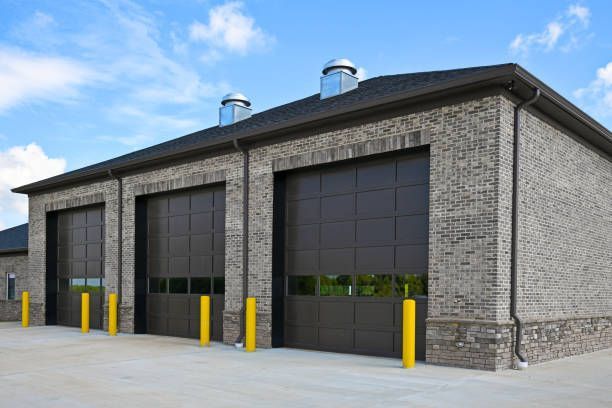

How to Choose a New Garage Door for Your Columbus Home
To pick the right door, make four decisions in order: material, insulation, style, and budget. Start with material because it drives almost everything else. Steel is the most popular choice for a new garage door that Columbus homeowners buy, since it handles Ohio winters, resists dents in higher grades, and costs less than wood. Next, choose insulation based on whether the garage is attached or you use it as a workspace. Then match the style to your home's look so it adds curb appeal instead of fighting it. Set your budget last, once you know what those first three choices actually require. A door is a long purchase that you will look at every day for 15 to 30 years, so the goal is a balance of durability, comfort, and appearance. A careful install protects all of it, because even the best door fails early when the springs, tracks, and balance are set wrong.
What Are the Main Choices When Buying a Garage Door?
The main choices are material, insulation, style, and budget, and they work best in that order. Material sets the tone for cost, weight, maintenance, and how the door holds up to Columbus weather. Insulation decides comfort and energy use, especially for an attached garage that shares a wall with your living space. Style controls curb appeal and resale value. Budget ties it all together, but it should be the result of your other choices, not the thing that decides them blindly.
Here is why the order matters. If you pick a style first and fall in love with a carriage-house look, you might assume it has to be wood, when steel and composite versions give you the same appearance for less. If you skip insulation and buy the cheapest single-layer panel, you may regret it the first January your garage sits at 20 degrees. Walking through the decisions in sequence keeps you from paying for the wrong thing.
Before you shop, take three quick measurements so every quote you get is apples to apples. Measure the width and height of the opening, then the headroom above it, and the side room on the left and right. Most Columbus homes have a single door near 8 or 9 feet wide or a double door near 16 feet, but custom openings are common in older neighborhoods. Note whether you have a low-headroom situation, since that changes the track hardware an installer needs to quote. Snap a photo of the opening from inside and out so you can show it to anyone you ask for a price.
One more early decision is the opener, which is its own purchase. A new door often pairs well with a new opener, and you can compare quiet belt-drive and smart garage door opener models once the door itself is settled.
Comparing Garage Door Material Options
The best garage door material for most Columbus homes is insulated steel, because it gives you strength, low upkeep, and a fair price. That said, each option has a place, so here is how they stack up.
Steel: Steel is the default for good reason. It comes in single, double, and triple-layer builds. Single-layer is the cheapest and thinnest. Double and triple-layer doors add a foam or polystyrene core that boosts insulation and makes the door quieter and stronger. Higher-gauge steel resists dents from basketballs and door dings. It needs almost no maintenance beyond a rinse a few times a year. The downside is that bare steel can rust if the finish gets scratched and ignored, though modern factory coatings hold up well in Ohio.
Aluminum and glass: Aluminum frames with glass panels give a clean, modern look that suits contemporary builds. The frames are light and rust-resistant, which is helpful in a wet climate. The tradeoffs are cost and insulation, since large glass sections lose heat. These shine as a design statement more than a budget pick.
Wood: Real wood brings warmth and a custom feel that nothing else matches. It is ideal for historic homes in older Columbus neighborhoods where character matters. The catch is upkeep. Wood needs staining or painting every couple of years to fight Ohio's freeze-thaw cycle and humidity, and it carries the highest price.
Composite and faux wood: Composite gives you the wood look with far less maintenance. Many carriage-house steel doors now wear a wood-grain skin that fools the eye from the curb. For most people who want the wood aesthetic without the chores, this is the smart middle ground.
Fiberglass and vinyl: Both resist dents and rust and stand up to salt air, though salt is less of a concern here than near the coast. They can fade or yellow over many years of sun. They are a niche pick rather than a first choice for most Columbus homes.
If your current door is past saving, our team handles full garage door installation in Columbus, OH, and can show you samples of each material in person so you feel the weight and finish before you decide.
Which Garage Door Styles Add the Most Curb Appeal?
The garage door styles that add the most curb appeal are the ones that match your home's architecture, not the flashiest option in the brochure. In most Columbus neighborhoods, three families of design cover what people want.
Traditional raised-panel: These are the classic rectangular panels you picture when you think of a garage door. They suit ranch, colonial, and most builder homes. They are affordable, timeless, and easy to repaint if your color scheme changes.
Carriage-house: These mimic the old swing-out barn doors but still roll up overhead. They add charm and work well on craftsman, farmhouse, and Tudor styles. You can get them with or without decorative hardware and windows. Because they come in steel and composite, you get the character without the wood upkeep.
Modern and contemporary: Flush panels, clean lines, and aluminum-and-glass builds fit newer construction and mid-century homes. Frosted or tinted glass brings in light while keeping privacy.
Beyond the base style, three details shift curb appeal a lot. Windows along the top row add light and break up a large blank face. Decorative hardware, like handles and hinges, sells the carriage look. Color is the cheapest upgrade of all, since a door that echoes your trim or front door pulls the whole front of the house together. Since the garage often takes up a third or more of the front facade, the right style choice changes how the entire home reads from the street.
If you are stuck between options, look at the homes on your own block. A door that fits the local mix of ranches, colonials, and craftsman bungalows tends to feel right and supports resale, while a style that clashes can make the house look out of place, no matter how nice the door is. Painters often suggest matching the door to the body of the house for a quiet look, or to the trim for a door that frames the facade. Both work; the wrong move is a stark color that competes with the front entry for attention.
How Much Insulation Do You Need, and What Will It Cost?
How much insulation you need depends on how the garage connects to your house and how you use it. For an attached garage, especially one with rooms above or beside it, a well-insulated door pays you back in comfort and lower heating bills. For a detached garage where you only park, you can spend less.
Insulation is measured in R-value, where a higher number means better resistance to heat flow. A single-layer steel door has little to no R-value. A double-layer door lands in the middle range, often around R-9 to R-13. A triple-layer door reaches the higher numbers, often R-16 to R-18 or more, and also runs quieter and feels more solid when it moves. For Columbus winters and summers, an insulated door is worth it on almost any attached garage. It keeps the space usable in January, protects anything stored inside, and dampens street noise from busy roads.
Insulation also helps in summer, which people forget. A west-facing garage can turn into an oven by late afternoon, and that heat soaks into the wall it shares with your house, making your air conditioner work harder. A double or triple-layer door slows that transfer in both directions, so the payoff is year-round rather than a winter-only perk.
Now for the garage door cost. Honest ranges matter more than a single number, because price swings with size, material, insulation, windows, and hardware. A basic single-layer steel door sits at the low end.
A mid-range insulated steel or composite carriage door costs more. A custom wood or large glass-and-aluminum door reaches the top of the range. Double-wide doors cost more than single doors, and adding windows, smart openers, and decorative hardware nudges the total up. The biggest swing is material and insulation level, so once you fix those two choices, your budget gets clear fast.
A few ways to manage the spend without cutting corners:
- Pick insulated steel over wood to get durability and comfort for less.
- Choose a composite carriage skin instead of real wood for the same look.
- Add windows only on the top row, where they add the most light per dollar.
- Keep a standard size if your opening allows it, since custom dimensions raise both the door price and the labor.
- Time the purchase around seasonal deals, which you can check on our current specials page.
Spending a little more on insulation and a quality install almost always beats buying the cheapest door, because the cheap door costs you in energy, noise, and early repairs.
Why Does Install Quality Matter as Much as the Door?
Install quality matters as much as the door because a garage door is a system under tension, and the install is what makes that system safe and long-lasting. You can buy the best panel on the market, but if the springs are sized wrong, the tracks are misaligned, or the door is out of balance, it will wear out fast and may not be safe.
Here is what a careful install actually controls. The torsion or extension springs must match the exact weight of your door, since they carry almost all of that load. The wrong spring strains the opener, wears the door, and can fail dangerously.
The tracks must be plumb and level so the rollers glide instead of binding. The door must be balanced so it holds position halfway up and does not slam or drift. The opener has to be set with the right travel limits and a working auto-reverse safety so it stops on contact with a person, pet, or car. Weather seals along the bottom and sides keep out Ohio's wind, rain, and snow.
Get these right, and a door runs quietly for years with little fuss. Get them wrong, and you face noisy operation, premature spring failure, dented panels, and safety risks. This is also why a sloppy install often leads to early garage door repair calls that a clean setup would have avoided. The installation is not the boring part of the purchase. It is the part that protects everything you just paid for.
When you compare quotes, ask what the install includes. Does it cover removal and haul-away of the old door, new tracks and hardware rather than reusing worn parts, spring sizing to your door, opener setup with safety testing, and a workmanship warranty? Those details separate a door that lasts from one that frustrates you in two years.
It also helps to ask about timing and warranty terms in plain language. A standard single-door swap often takes a few hours, while a double-door or one with tricky framing can run most of a day. Ask whether the door panels and the springs carry separate warranties, since they often do, and whether labor is covered if a part fails early. A clear answer to these points is a good sign that you are dealing with an installer who stands behind the work.
Ready to Pick the Right Door for Your Home
Walking through the four choices in order, material, insulation, style, and then budget, turns an overwhelming purchase into a few clear steps. When you want hands-on help comparing real samples and getting an exact price for your opening, our crew at Columbus Door Depot is glad to walk you through it and handle the installation the right way the first time.